Table of Content
Instead, use acne ointments, creams, or gels with salicylic acid and benzoyl peroxide. You may also ask your healthcare provider for a prescription medicine to treat acne . An increase in the levels of hormones during the teenage years causes the sebaceous glands to produce more sebum .
According to 2017 research, the hormones released during periods of stress may increase sebum production and inflammation, making acne worse. Another 2017 study with 64 people found that those with moderate or severe acne ate diets with more carbohydrates and a higher glycemic load than those without acne. According to a 2017 study, tea tree oil may be an effective substitute for topical and oral antibiotics that could cause bacterial resistance if used long term. Standard clinical treatments are the most effective for reducing acne.
Jojoba oil
Try my Homemade Honey Citrus Shampoo that is void of harmful chemicals and leaves hair soft and manageable. Follow with a touch of coconut oil or my Homemade Conditioner made from apple cider vinegar and essential oils. Our skin is a reflection of our overall health, which is why glowing, beautiful skin often results from proper care, hydration and eating a nutrient-dense diet. There are a variety of acne treatments that a teenager can try to help ease the symptoms and prevent future breakouts.

A 2018 study noted that certain relaxation and stress reduction treatments may improve acne, but more research needs to be done. A 2019 study with people ages 10 to 24 found that drinking whole milk three or more days each week was linked to moderate or severe acne. Eating high GI foods causes a spike in insulin, which likely increases sebum production. As a result, high GI foods may directly affect the development and severity of acne. While the anti-inflammatory and antibacterial properties of honey and cinnamon may reduce acne, more research is needed. It’s relatively well studied compared with other natural treatments for acne.
Get curated personalized content.
Acne is a common skin condition in the United States, affecting an estimated 50 million people living in the country. Mix 1 part apple cider with 10 parts quality water and apply gently with a cotton ball to the skin. If your teen wears cosmetics, encourage her to use only natural, water-based products. Harsh chemicals, dyes, and oils will clog pores and cause acne to flourish. Using a different product every few days can also irritate your skin, causing new breakouts.

Always talk with a doctor before using natural remedies for severe, chronic, deep, or painful acne sores. Likewise, speak with a doctor about minor acne sores that do not respond to primary care or continue to get worse. In a 2016 study, people who applied a gel containing purified bee venom to their face for 6 weeks saw a reduction of mild to moderate acne lesions. Try mixing jojoba essential oil with a gel, cream, or clay face mask and apply it to acne. Otherwise, place a few drops of jojoba oil on a cotton pad and rub this gently over acne sores.
How do you get rid of acne scars?
Proper cleaning of the face is a necessity for any teenager not wanting acne. The right combination of exfoliating and moisturizing during the cleaning process will improve the skin. What they clean their face with is very important too. FDA approves Differin gel 0.1% for over-the-counter use to treat acne. If you’re feeling sad or isolated over your acne, it’s even more critical to reach out for support.

It's also important to avoid home remedies and establish a simple skin care routine. No matter what treatment you're using, you need to stick with it long enough for it to work. There are many acne treatment products that can clear your skin.
Coconut oil
You can use the gel of aloe vera directly on acne affected skin. You may also use aloe based face washes, moisturizers and lotions for speedy results. One of its functions is to eliminate a portion of the body’s toxic waste products through sweating. If the body contains more toxins than the kidneys and liver can effectively discharge, the skin takes over.
These small studies suggested a low glycemic diet may help those with acne-prone skin. In a 2018 study, 66 people followed either a normal or low glycemic diet. After 2 weeks, the individuals consuming a low glycemic diet had lower levels of insulin-like growth factor-1 (IGF-1), a hormone involved in acne development.
According to the American Academy of Dermatology, if a treatment works for you, you should notice some improvement in 4 to 6 weeks. Be sure to apply extra SPF, and wear a hat or scarf to protect your skin if you’re exposed to the sun. You can also incorporate brewer’s yeast into your diet by mixing it with juice or water, or you can take it in supplement form. Brewer’s or baker’s yeast is another option that may have benefits for fighting acne. The CDC recommends adults do two types of physical activity each week for a total of 150 minutes.

For some, it can lead to low self-esteem, depression, and anxiety. Rubbing ice on affected areas helps to reduce the swelling and redness of skin. The cold compress provided by ice improves blood circulation thus speeding up the healing process with the improved blood flow. Significance of diet in treated and untreated acne vulgaris. A review of efficacy and tolerability of tea tree oil for acne.
The truth is, though, that certain foods may contribute to acne breakouts. The greatest culprits are dairy, high glycemic foods, and processed items. You’ll likely need to see a dermatologist for retinoids for acne, as most of these are available via prescription. These come in the form of gels and creams that you apply up to twice a day.
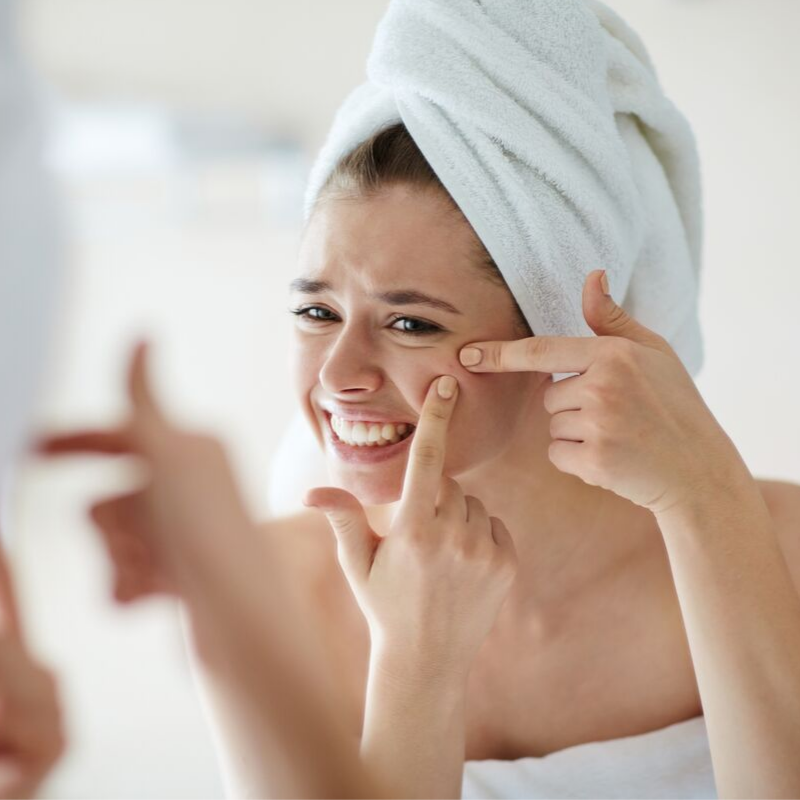
It is especially suitable for people who get dry skin from other anti-acne products. In all likelihood, your teen will be tempted to squeeze, pop, and touch his or her pimples-anything to make them go away. Try to encourage your kids to keep their hands away from their faces as any dirt or oil on their hands will make acne worse. Breaking or popping a pimple will also allow harmful bacteria to enter the blemish thereby risking infection and possible scarring.


No comments:
Post a Comment